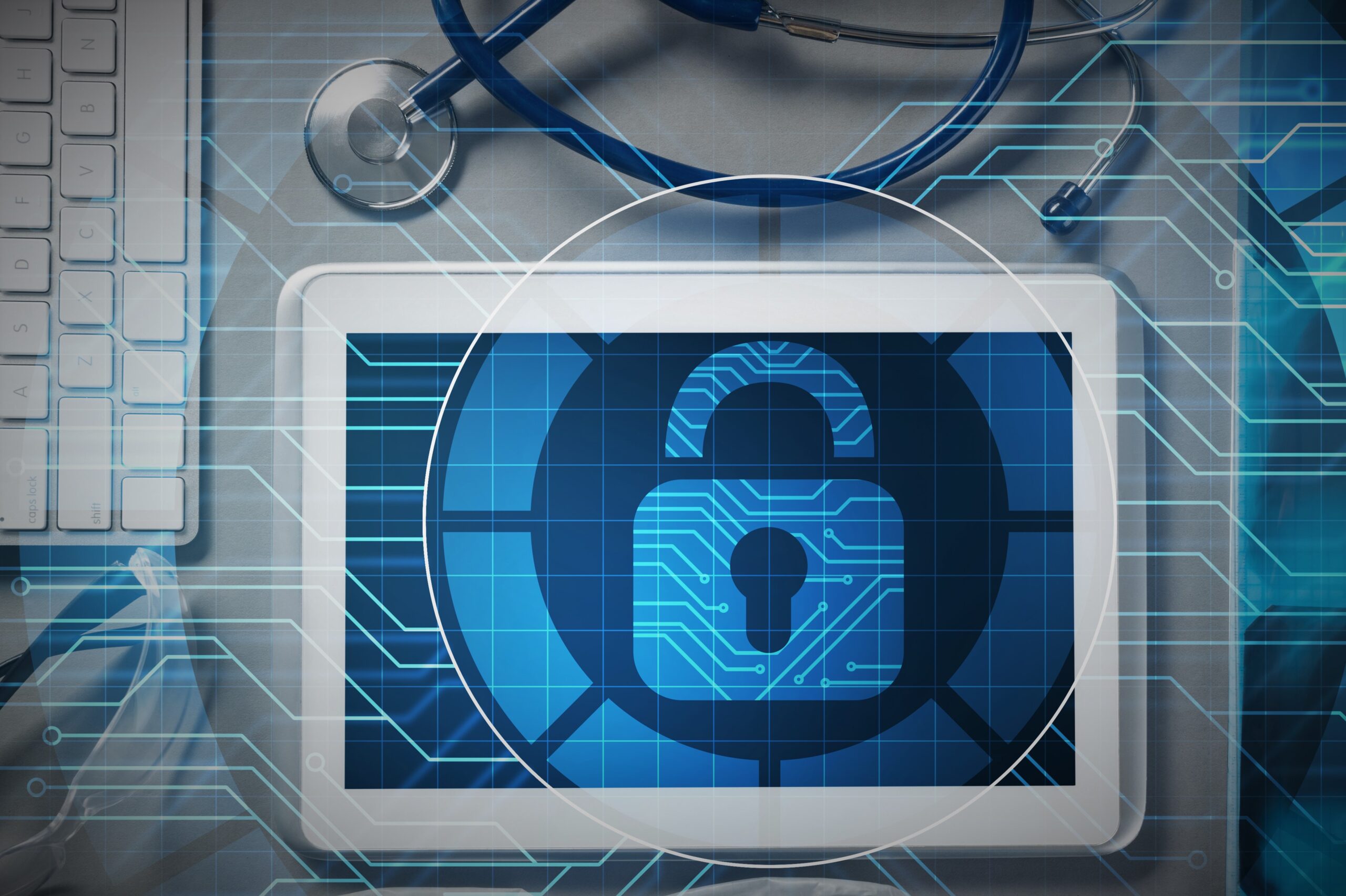
The global Medical Device Security market is projected to witness steady and significant growth, expanding at a compound annual growth rate (CAGR) of approximately 8–10% through 2031. This upward trajectory is largely driven by the rapid digital transformation of healthcare systems, the increasing adoption of connected and wearable medical devices, and the rising frequency of cyber threats targeting healthcare infrastructure. Additionally, demographic shifts such as the growing geriatric population and the increasing prevalence of chronic diseases are further contributing to the demand for secure and reliable medical devices. However, despite these favorable growth drivers, certain challenges—particularly limited budgets allocated for cybersecurity in healthcare organizations—may restrain the full potential of the market.
Get Free Sample Report: https://meditechinsights.com/medical-device-security-market/request-sample/
Medical device security refers to the set of technologies, protocols, and practices designed to protect medical devices and their associated networks from unauthorized access, cyberattacks, data breaches, and operational disruptions. These security systems play a critical role in safeguarding sensitive patient health information (PHI) while ensuring that medical devices function safely and effectively. Given the life-critical nature of many medical devices, any compromise in their security can lead to severe consequences, including incorrect diagnoses, treatment errors, or even life-threatening situations. Therefore, ensuring robust security measures is essential not only for data protection but also for patient safety and trust in healthcare systems.
One of the most prominent factors driving the growth of the medical device security market is the increasing trend of connected medical devices, often referred to as the Internet of Medical Things (IoMT). Technological advancements have led to the development of innovative devices such as wearable health monitors, implantable devices, and remote patient monitoring systems. These technologies have revolutionized patient care by enabling continuous monitoring, early diagnosis, and personalized treatment. However, the connectivity that makes these devices so valuable also exposes them to potential cybersecurity risks.
As more medical devices become integrated with hospital networks and cloud-based platforms, the attack surface for cybercriminals expands significantly. This has heightened the need for advanced security solutions that can detect vulnerabilities, prevent unauthorized access, and ensure data integrity. Healthcare providers and device manufacturers are increasingly prioritizing cybersecurity to protect both patient data and device functionality.
Recent product innovations highlight the growing focus on medical device security. For instance, in April 2023, GE Healthcare introduced its ReadySee Asset Management and Network Supervision Solutions. This platform is designed to automatically identify connected devices, assess vulnerabilities, and provide risk scoring while ensuring that cybersecurity protocols do not interfere with patient care. Such solutions enable healthcare organizations to maintain visibility and control over their device ecosystems, thereby enhancing overall security.
Similarly, in March 2023, Check Point Software Technologies launched Infinity Global Services, a comprehensive cybersecurity offering aimed at providing end-to-end cyber resilience. This service enhances security practices, strengthens control mechanisms, and protects healthcare systems from advanced cyber threats. These developments underscore the increasing emphasis on proactive and integrated security solutions in the healthcare sector.
The COVID-19 pandemic served as a major catalyst for the growth of the medical device security market. During the pandemic, there was a significant surge in the adoption of telemedicine, remote patient monitoring, and digital health solutions. While these technologies ensured continuity of care and minimized physical interactions, they also introduced new cybersecurity challenges. The increased reliance on digital platforms and connected devices created additional entry points for cyberattacks, making robust security measures more critical than ever.
Post-pandemic, healthcare organizations have become more aware of the risks associated with data breaches and cyber threats. This heightened awareness has led to increased investments in cybersecurity solutions and the implementation of stricter security protocols. Governments and regulatory bodies are also playing a crucial role by introducing policies and guidelines to strengthen cybersecurity in healthcare systems.
For example, in February 2023, Cisco launched its Cyber Vision platform, which provides comprehensive visibility into both IT and operational technology (OT) devices. This solution enables organizations to monitor and manage cybersecurity threats across their networks while maintaining a unified security posture. Additionally, Cisco introduced Secure Equipment Access Plus, which facilitates remote deployment, management, and troubleshooting of connected devices. Such innovations are helping healthcare providers address the growing complexity of device security.
Despite these advancements, the medical device security market faces several challenges. One of the primary constraints is the high cost associated with implementing and maintaining advanced security solutions. Many healthcare organizations, particularly smaller facilities, operate under tight budget constraints and may prioritize clinical investments over cybersecurity. This can leave systems vulnerable to attacks.
Another significant challenge is the shortage of skilled cybersecurity professionals with expertise in healthcare systems. The complexity of medical devices and their integration with IT infrastructure requires specialized knowledge, making it difficult for organizations to find and retain qualified personnel. This skills gap can hinder the effective implementation and management of security solutions.
From a regional perspective, North America continues to dominate the global medical device security market. This leadership position can be attributed to the widespread adoption of advanced healthcare technologies, a high prevalence of cyberattacks, strong regulatory frameworks, and significant investments in healthcare IT. The presence of major industry players and ongoing government initiatives to enhance cybersecurity further support the region’s market growth.
In contrast, the Asia-Pacific region is expected to experience the fastest growth in the coming years. The increasing adoption of connected medical devices, rising awareness about cybersecurity risks, and a growing number of cyberattacks are driving demand for medical device security solutions in this region. Additionally, expanding healthcare infrastructure and increasing investments in digital health technologies are contributing to market growth across countries such as India, China, and Southeast Asian nations.
The competitive landscape of the medical device security market is characterized by the presence of several leading technology and healthcare companies. Key players include Cisco Systems Inc., IBM, GE Healthcare, Philips Healthcare, Check Point Software Technologies, FireEye Inc., and Palo Alto Networks Inc., among others. These companies are continuously investing in research and development to introduce innovative security solutions tailored to the evolving needs of the healthcare industry.
To strengthen their market positions, these players are adopting a mix of organic and inorganic growth strategies. Organic strategies include product development, technological upgrades, and service enhancements, while inorganic strategies involve mergers, acquisitions, and strategic partnerships. These approaches enable companies to expand their capabilities, enhance their product portfolios, and gain a competitive edge.
For instance, in December 2022, Palo Alto Networks launched its Medical IoT Security solution, which offers a comprehensive Zero Trust framework for securing medical devices. This solution allows healthcare organizations to rapidly deploy and manage connected technologies while maintaining high levels of security. In another strategic move, Forescout Technologies acquired CyberMDX in February 2022 to strengthen its focus on healthcare cybersecurity. This acquisition enhanced Forescout’s capabilities in managing IT, IoT, and operational technology devices, particularly within the Internet of Medical Things (IoMT) ecosystem.
In conclusion, the global medical device security market is set for robust growth, driven by the increasing integration of digital technologies in healthcare and the rising need to protect sensitive data and critical medical systems. While challenges such as high costs and a shortage of skilled professionals persist, ongoing technological advancements and strategic initiatives by market players are expected to address these issues. As healthcare continues to evolve toward a more connected and data-driven ecosystem, the importance of medical device security will only intensify, making it a vital component of modern healthcare infrastructure.
Key Request a free sample copy or view report summary: https://meditechinsights.com/medical-device-security-market/request-sample/
About Medi-Tech Insights
Medi-Tech Insights is a healthcare-focused business research & insights firm. Our clients include Fortune 500 companies, blue-chip investors & hyper-growth start-ups. We have completed 100+ projects in Digital Health, Healthcare IT, Medical Technology, Medical Devices & Pharma Services in the areas of market assessments, due diligence, competitive intelligence, market sizing and forecasting, pricing analysis & go-to-market strategy. Our methodology includes rigorous secondary research combined with deep-dive interviews with industry-leading CXO, VPs, and key demand/supply side decision-makers.