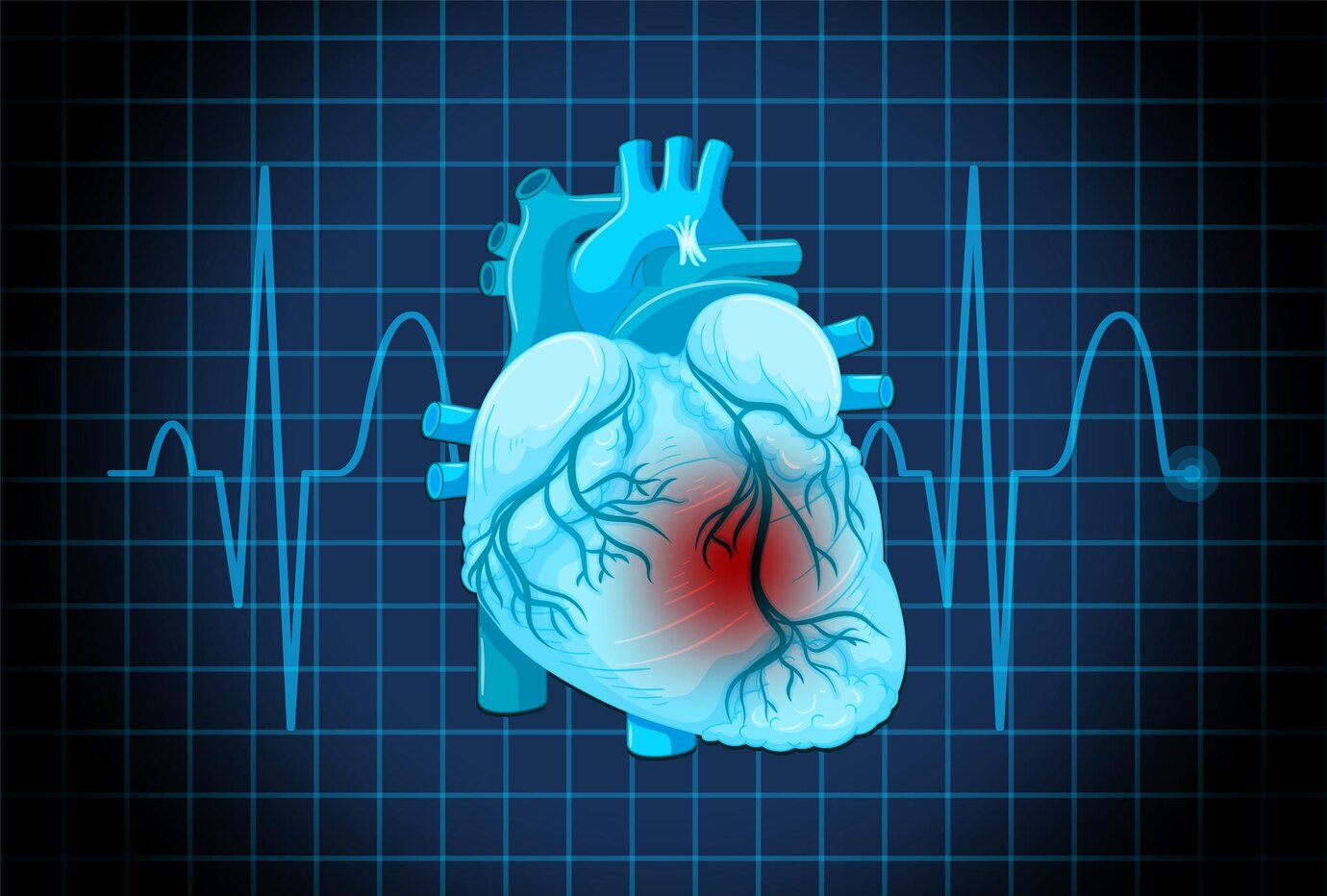
Coronary Heart Disease Diagnostic Imaging Devices Market Overview
The coronary heart disease diagnostic imaging devices market is experiencing steady growth and is projected to expand at a compound annual growth rate of approximately 7% over the forecast period, driven by evolving healthcare needs and continuous technological advancements. The increasing global burden of coronary heart disease, which remains one of the leading causes of death worldwide, is significantly contributing to the demand for advanced diagnostic imaging solutions. Rising cases of obesity, diabetes, hypertension, and sedentary lifestyles are further accelerating disease prevalence, thereby increasing the need for early and accurate diagnosis.
Download pdf Brochure: https://meditechinsights.com/coronary-heart-disease-diagnostic-imaging-devices-market/request-sample/
The growing aging population, which is more susceptible to cardiovascular conditions, is also playing a crucial role in driving market demand. Healthcare systems are increasingly shifting toward preventive care and early disease detection, positioning diagnostic imaging devices as essential tools in cardiovascular management. Technological innovations such as artificial intelligence integration, enhanced imaging resolution, and the development of portable and user-friendly devices are further supporting market expansion. Government initiatives aimed at improving cardiac care infrastructure and increasing healthcare investments are also contributing to the growth trajectory of this market.
Report Overview
Coronary heart disease diagnostic imaging devices are specialized medical technologies used to capture detailed images of the heart and coronary arteries, enabling healthcare professionals to assess cardiac structure, function, and blood flow. These devices are critical in diagnosing coronary artery blockages caused by plaque buildup, which can restrict blood supply and lead to severe complications such as heart attacks. Various imaging modalities, including X-ray imaging, computed tomography angiography, cardiac magnetic resonance imaging, echocardiography, and nuclear imaging, are widely used for comprehensive cardiovascular evaluation. These technologies allow clinicians to visualize arterial narrowing, measure blood perfusion, detect structural abnormalities, and monitor disease progression. Beyond diagnosis, imaging devices are also essential for treatment planning, guiding interventional procedures, and evaluating post-treatment outcomes. Their integration with advanced digital platforms, including picture archiving and communication systems, cloud-based storage, and artificial intelligence-driven analytics, enhances diagnostic efficiency and accuracy. The versatility and precision of these devices make them indispensable across multiple clinical settings, including emergency care, routine screenings, chronic disease management, and long-term patient monitoring.
Growing Demand for Non-Invasive Diagnostic Techniques Fuels Market Expansion
The increasing preference for non-invasive diagnostic techniques is one of the key factors driving the growth of the coronary heart disease imaging devices market. Non-invasive imaging methods provide highly accurate diagnostic information without the risks associated with invasive procedures, making them more appealing to both patients and healthcare providers. Techniques such as CT coronary angiography, cardiac MRI, echocardiography, and nuclear imaging have become standard tools for the early detection and monitoring of coronary heart disease. These technologies offer detailed visualization of cardiac structures and blood flow, enabling precise diagnosis and effective treatment planning. Continuous advancements in imaging technologies, including faster scanning speeds, improved detector capabilities, and enhanced image processing algorithms, have significantly improved the accuracy and reliability of non-invasive diagnostics. The integration of artificial intelligence has further enhanced image interpretation, enabling automated analysis and reducing diagnostic time. These advancements contribute to improved patient comfort, reduced hospital stays, and lower healthcare costs. Increasing awareness regarding the benefits of early diagnosis, coupled with rising healthcare expenditure, is expected to drive further adoption of non-invasive imaging solutions.
Rising Prevalence of Coronary Heart Disease Drives Market Growth
The growing prevalence of coronary heart disease is a major factor fueling the demand for diagnostic imaging devices globally. The condition continues to pose a significant public health challenge, with millions of deaths reported annually due to cardiovascular complications. Lifestyle changes, including poor dietary habits, lack of physical activity, and increased stress levels, have contributed to a rise in risk factors such as obesity, diabetes, and hypertension. Additionally, the aging global population is more prone to developing coronary heart disease, further increasing the need for effective diagnostic tools. Early detection is critical in managing the disease and preventing severe outcomes, as coronary heart disease often progresses without noticeable symptoms in its initial stages. Diagnostic imaging devices play a crucial role in identifying early signs of the disease, assessing its severity, and guiding treatment decisions. They are also essential for monitoring the effectiveness of interventions such as angioplasty, stent placement, and pharmacological therapies. Growing public health initiatives and awareness campaigns emphasizing the importance of cardiovascular health and early screening are further supporting market growth. As healthcare providers continue to focus on proactive disease management, the adoption of advanced imaging technologies is expected to rise significantly.
Competitive Landscape Analysis
The coronary heart disease diagnostic imaging devices market is highly competitive, with the presence of several global and regional players striving to enhance their market positions through innovation and strategic initiatives. Companies are investing heavily in research and development to introduce advanced imaging systems with improved performance, accuracy, and efficiency. Strategic partnerships, collaborations, and mergers and acquisitions are commonly adopted to expand product portfolios and strengthen global presence. The competitive ecosystem includes manufacturers of imaging equipment, software solutions, and related services that collectively support comprehensive cardiovascular diagnostics. Companies are also focusing on integrating artificial intelligence and digital technologies into imaging systems to enhance diagnostic capabilities and workflow efficiency. Expansion into emerging markets is another key strategy adopted by leading players to tap into growing healthcare demand. Continuous technological advancements and increasing competition are expected to drive further innovation and improve accessibility to advanced imaging solutions.
Market Drivers
Rising prevalence of coronary heart diseases across global populations
Continuous technological advancements in diagnostic imaging devices
Growing preference for non-invasive diagnostic techniques
Increasing awareness regarding early diagnosis and preventive healthcare
Rising investments in cardiovascular research and development
Attractive Opportunities
Increasing investment in advanced imaging technologies and AI-driven diagnostic tools
Integration of artificial intelligence and machine learning in imaging systems
Development of portable, compact, and wearable imaging devices
Expansion of diagnostic imaging services in emerging healthcare markets
Growing focus on remote monitoring and telehealth-enabled diagnostics
Global Coronary Heart Disease Diagnostic Imaging Devices Market Segmentation
The global coronary heart disease diagnostic imaging devices market is segmented based on imaging modality and end user, providing a comprehensive understanding of market dynamics across different segments. The report offers detailed insights into regional and country-level market sizes from 2023 to 2030, highlighting growth trends and opportunities across various geographies. Segmentation by modality includes different imaging technologies used in cardiac diagnostics, while segmentation by end user covers hospitals, diagnostic centers, and research institutions. This segmentation enables stakeholders to identify high-growth areas, evaluate market potential, and make informed strategic decisions.
Key Players
• Canon Medical Systems
• Esaote S.p.A.
• FUJIFILM Holdings Corporation
• GE Healthcare
• Hitachi Medical Corporation
• Koninklijke Philips N.V.
• Samsung
• Siemens Healthineers AG
• Ziehm Imaging GmbH
• Carestream Health
• Shimadzu Corporation
• Bracco Imaging S.p.A.
• Hologic, Inc.
Key Request a free sample copy or view report summary: https://meditechinsights.com/coronary-heart-disease-diagnostic-imaging-devices-market/request-sample/
About Medi-Tech Insights
Medi-Tech Insights is a healthcare-focused business research & insights firm. Our clients include Fortune 500 companies, blue-chip investors & hyper-growth start-ups. We have completed 100+ projects in Digital Health, Healthcare IT, Medical Technology, Medical Devices & Pharma Services in the areas of market assessments, due diligence, competitive intelligence, market sizing and forecasting, pricing analysis & go-to-market strategy. Our methodology includes rigorous secondary research combined with deep-dive interviews with industry-leading CXO, VPs, and key demand/supply side decision-makers.