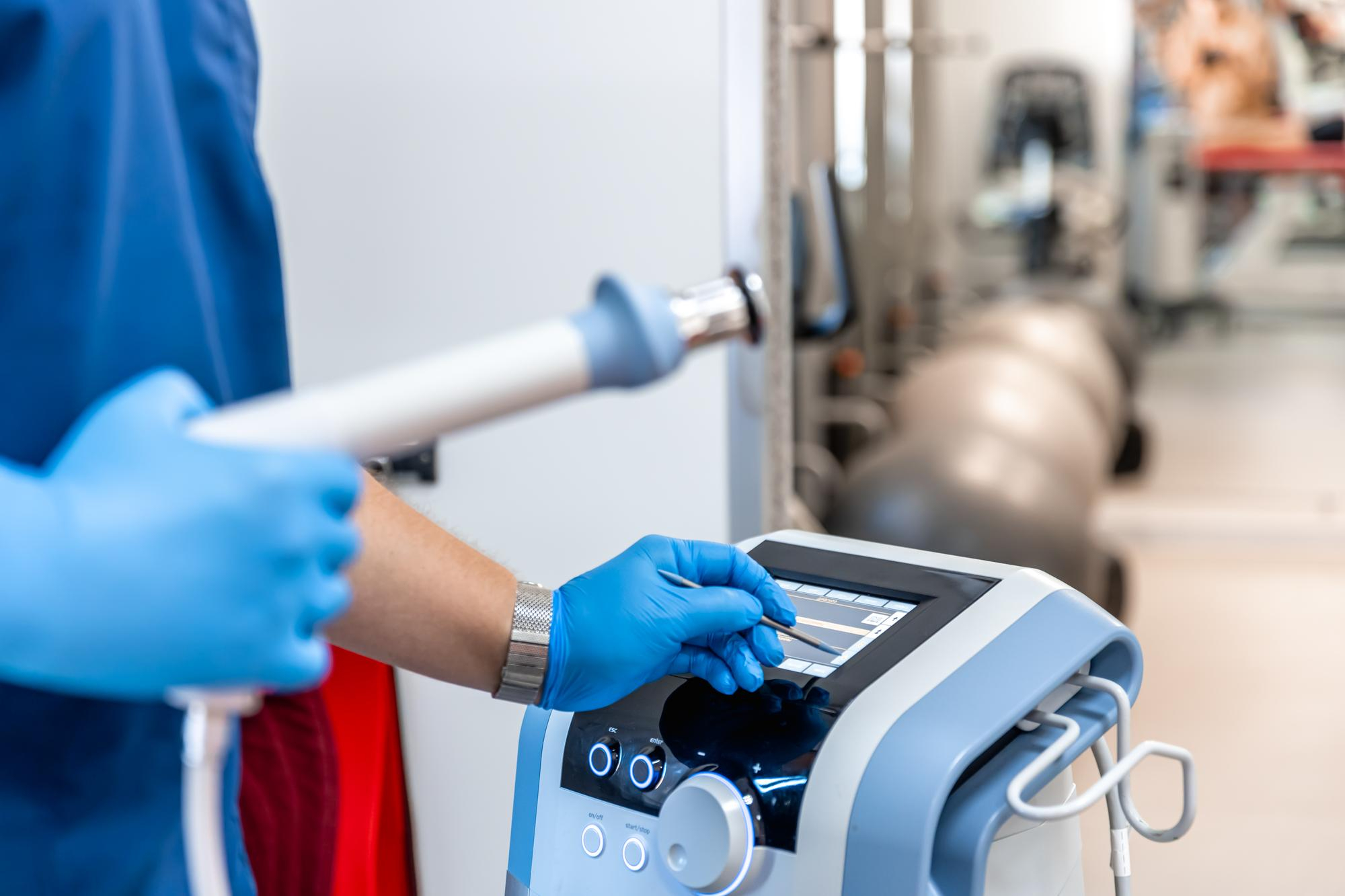
Global Durable Medical Equipment (DME) Market Overview
The global durable medical equipment (DME) market is expected to grow at a CAGR of 5–7% over the next five years, supported by the increasing prevalence of chronic diseases, rapid population aging, technological advancements in medical devices, expanding home healthcare services, and favorable government reimbursement policies. Rising healthcare expenditure, growing awareness of long-term patient care, and the increasing need for mobility assistance and remote patient monitoring are further contributing to market expansion. As healthcare systems increasingly focus on improving patient outcomes while reducing hospitalization costs, durable medical equipment has become an essential component of modern healthcare delivery.
Durable medical equipment includes reusable medical devices designed to provide therapeutic benefits or assist patients with long-term medical conditions, disabilities, or age-related health issues. These products are widely used in hospitals, rehabilitation centers, long-term care facilities, ambulatory care settings, and home healthcare environments. The growing emphasis on patient-centered care and cost-effective treatment models continues to accelerate the adoption of DME across healthcare systems worldwide.
The shift toward outpatient care and home-based treatment has significantly increased demand for portable, easy-to-use, and technologically advanced medical equipment that enables patients to manage chronic conditions while maintaining independence and improving quality of life.
Request Sample Pages: https://meditechinsights.com/durable-medical-equipment-market/request-sample/
What is Durable Medical Equipment (DME)?
Durable medical equipment refers to medical devices that are designed for repeated use and provide therapeutic or functional support for patients with chronic illnesses, physical disabilities, injuries, or age-related medical conditions. These products are prescribed by healthcare professionals and are intended to improve mobility, respiratory function, patient monitoring, rehabilitation, and daily living activities.
Common DME products include wheelchairs, walkers, hospital beds, patient lifts, oxygen concentrators, CPAP and BiPAP machines, infusion pumps, mobility scooters, blood glucose monitors, blood pressure monitors, nebulizers, and home dialysis equipment.
These devices play a critical role in improving patient safety, enhancing independence, reducing hospital admissions, and supporting long-term disease management across various healthcare settings.
Durable Medical Equipment Market Trends
The durable medical equipment market is experiencing rapid transformation driven by continuous technological innovation and changing healthcare delivery models.
One of the most important trends is the increasing integration of smart technologies into durable medical equipment. Connected devices equipped with wireless communication, cloud connectivity, sensors, and remote monitoring capabilities enable healthcare providers to track patient health in real time while improving treatment outcomes and reducing unnecessary hospital visits.
Artificial intelligence, Internet of Medical Things (IoMT), and predictive analytics are increasingly being incorporated into patient monitoring systems, respiratory devices, and mobility equipment. These technologies support personalized healthcare, improve clinical decision-making, and enable proactive disease management.
The growing adoption of telehealth has further increased demand for connected DME capable of transmitting patient data directly to healthcare providers, allowing continuous monitoring of chronic diseases from home.
Manufacturers are also focusing on ergonomic designs, lightweight materials, improved battery performance, and user-friendly interfaces to enhance patient comfort and mobility.
Digital healthcare platforms are increasingly integrating DME with electronic health records, remote consultation services, and mobile health applications, creating more comprehensive home healthcare ecosystems.
Shift Toward Home Healthcare
One of the strongest trends influencing the DME market is the continued expansion of home healthcare services. Patients increasingly prefer receiving treatment and rehabilitation in familiar home environments rather than remaining in hospitals or long-term care facilities.
Home healthcare reduces treatment costs while improving patient comfort, recovery speed, and overall quality of life. As a result, demand continues to grow for portable oxygen concentrators, home ventilators, infusion pumps, home dialysis systems, mobility aids, and remote monitoring devices.
Healthcare providers and insurers are also encouraging home-based care as an effective strategy for reducing hospital readmissions and optimizing healthcare resource utilization.
Technological Advancements
Continuous technological innovation remains a major growth catalyst for the durable medical equipment market. Smart monitoring devices, wearable medical technologies, telemedicine-enabled equipment, and AI-powered healthcare solutions are improving patient care while increasing healthcare efficiency.
Modern respiratory devices, mobility equipment, rehabilitation systems, and patient monitoring technologies offer enhanced functionality, greater portability, improved connectivity, and simplified operation.
Manufacturers are increasingly investing in automation, digital health integration, and advanced materials to develop more durable, lightweight, and energy-efficient medical devices capable of meeting evolving patient needs.
Regulatory Developments and Compliance
Regulatory agencies worldwide continue to strengthen safety, quality, and performance standards governing durable medical equipment. Compliance with these regulations ensures patient safety while encouraging manufacturers to invest in research, innovation, and quality management systems.
Government reimbursement programs also play an important role in supporting market growth by improving patient access to essential medical equipment through insurance coverage and public healthcare initiatives.
Manufacturers continue to work closely with regulatory authorities to obtain product approvals, maintain quality certifications, and introduce innovative technologies that meet evolving healthcare standards.
Market Drivers
The rapidly growing elderly population remains one of the strongest drivers of the durable medical equipment market. Older adults experience a higher incidence of chronic diseases, mobility limitations, respiratory disorders, and age-related disabilities that require long-term use of supportive medical equipment.
Increasing prevalence of chronic diseases such as diabetes, cardiovascular disease, chronic obstructive pulmonary disease (COPD), arthritis, neurological disorders, and kidney disease continues to drive demand for monitoring devices, respiratory equipment, mobility aids, and rehabilitation products.
Growing healthcare expenditure across developed and developing economies is improving healthcare infrastructure, expanding insurance coverage, and increasing access to advanced medical devices.
Healthcare providers are increasingly investing in durable medical equipment that supports long-term patient management while reducing overall treatment costs through home-based care and preventive health strategies.
Technological innovations in artificial intelligence, remote patient monitoring, wearable healthcare devices, and telemedicine continue to create additional growth opportunities while improving healthcare accessibility.
Market Restraints
Despite favorable market conditions, several factors continue to limit market growth. Advanced durable medical equipment often requires substantial upfront investment, making affordability a challenge for patients without comprehensive insurance coverage.
Maintenance, servicing, calibration, and replacement of medical equipment can increase long-term ownership costs for both healthcare providers and patients.
Complex reimbursement procedures and varying insurance coverage policies across different countries may delay product adoption and reduce patient access to essential medical devices.
Manufacturers must also comply with stringent regulatory requirements involving product safety, quality assurance, and post-market surveillance, increasing product development costs and commercialization timelines.
Market Opportunities
The continued expansion of home healthcare services presents one of the largest opportunities for durable medical equipment manufacturers. Healthcare systems increasingly recognize home-based care as a cost-effective alternative to prolonged hospitalization, creating sustained demand for portable and connected medical devices.
Emerging economies offer significant growth potential as governments invest in healthcare modernization, expanding hospital infrastructure, improving insurance coverage, and increasing healthcare accessibility.
Artificial intelligence, digital health technologies, wearable medical devices, and remote patient monitoring systems are expected to create substantial opportunities for product innovation and personalized healthcare delivery.
The increasing demand for smart healthcare ecosystems integrating connected DME, telemedicine platforms, cloud computing, and predictive analytics will further accelerate market expansion.
Growing public awareness regarding preventive healthcare, rehabilitation, and healthy aging is also expected to support long-term demand for durable medical equipment across diverse patient populations.
Market Challenges
Manufacturers continue to face challenges related to rising production costs, supply chain disruptions, and increasing competition within the global medical device industry.
Rapid technological advancement requires continuous investment in research and development while ensuring compatibility with evolving digital healthcare systems.
Balancing product affordability with advanced technological capabilities remains a major challenge, particularly in cost-sensitive healthcare markets.
Companies must also address cybersecurity risks associated with connected medical devices while ensuring patient data privacy and regulatory compliance.
Maintaining product quality, improving interoperability, and adapting to changing reimbursement policies will remain critical success factors as the durable medical equipment market continues to evolve.
Key Players
- Invacare Corporation
- Stryker Corporation
- Baxter International Inc. (Hillrom)
- Arjo AB
- Medline Industries, LP
- Sunrise Medical
- Drive DeVilbiss Healthcare
- Carex Health Brands
- Permobil AB
- GF Health Products, Inc.
- Compass Health Brands
- Pride Mobility Products Corporation
- Joerns Healthcare
- Ottobock SE & Co. KGaA
- Philips Healthcare
- ResMed Inc.
- GE HealthCare
- Medtronic plc
- OMRON Healthcare
- Cardinal Health, Inc.
Request Sample Pages: https://meditechinsights.com/durable-medical-equipment-market/request-sample/
About Us:
At Medi-Tech Insights, we are a global healthcare consulting firm committed to delivering premium insights and strategic solutions to help our clients navigate the complex and evolving healthcare landscape. Our team combines deep industry expertise with data-driven market intelligence to provide actionable insights that enable smarter decisions and sustainable success.