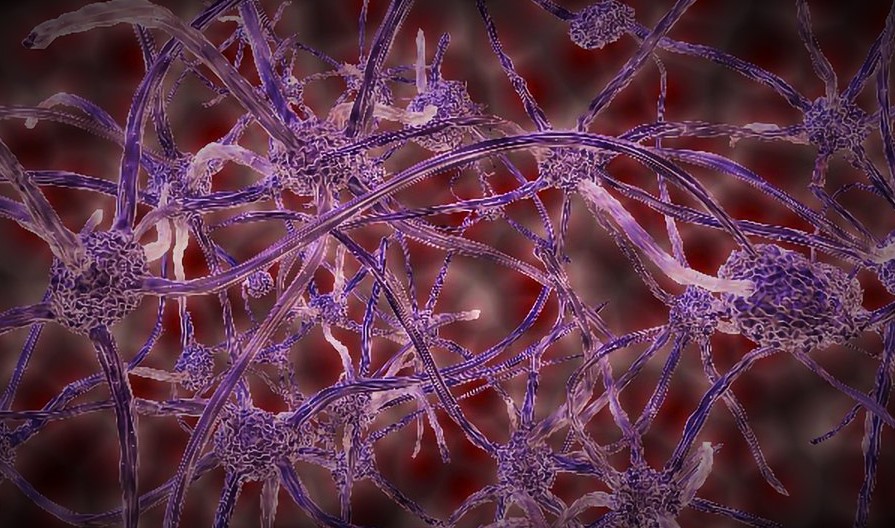
Global Nerve Repair and Regeneration Market Overview
The Global Nerve Repair and Regeneration Market is projected to expand at a robust CAGR of nearly ~12% by 2027. This growth is primarily propelled by a significant rise in nerve injuries, the increasing incidence of neurological disorders, rapid technological progress in nerve repair and neuro-regenerative devices, a growing elderly population that is more susceptible to nerve-related conditions, and increasing governmental support for neurological research.
Download pdf Brochure: https://meditechinsights.com/nerve-repair-and-regeneration-market/request-sample/
Nerves act as essential communication channels that transmit signals between the brain and all parts of the body. When these delicate structures are damaged, individuals may experience sensory disturbances, impaired movement, or loss of function. Nerve repair and regeneration encompass the biological and technological processes that help restore neural pathways and functional capacity. While regeneration is more active in the peripheral nervous system, innovative solutions continue to enhance recovery potential in complex neural tissues.
Technological Advancements in Neurostimulation & Neuromodulation Devices Accelerate Market Growth
Neurostimulation and neuromodulation technologies are transforming the way clinicians manage conditions involving chronic pain, neurodegeneration, movement disorders, and other neural impairments.
These advanced devices influence targeted nerves and neural circuits throughout the body, helping manage symptoms ranging from migraines and tremors to spinal cord injuries and urinary incontinence.
Such devices are increasingly used in managing traumatic and degenerative conditions like Alzheimer’s disease, ALS, multiple sclerosis, and multiple system atrophy.
Deep Brain Stimulation (DBS) continues to gain traction for Parkinson’s management, while sacral nerve stimulation is widely adopted for pelvic disorders and incontinence.
In ischemic disorders such as angina and peripheral vascular disease, spinal cord stimulation offers substantial symptom relief.
The broadening clinical adoption of neurostimulation and neuromodulation devices is significantly contributing to the demand for nerve repair and regeneration technologies.
For instance, in December 2022, Abbott received FDA approval for its Eterna spinal cord stimulation system designed to treat chronic pain while minimizing recharge requirements to only a few times per year.
In March 2022, MyndTec secured FDA approval for its next-generation MyndMove 2.0 neuromodulation system, intended for both clinical and home-based rehabilitation.
In January 2022, Medtronic obtained FDA approval for the Intellis rechargeable neurostimulator and the Vanta recharge-free neurostimulator, tailored for managing chronic pain associated with diabetic peripheral neuropathy.
Rising Burden of Neurological Disorders Fuels Market Expansion
Neurological disorders remain a significant global health concern. According to WHO estimates, more than one billion individuals worldwide suffer from neurological conditions.
Nearly six million deaths occur annually due to various neurological diseases, reflecting the immense clinical and economic burden they pose.
Causes of neurological disorders range widely—from genetic abnormalities and congenital disorders to infections, nutritional deficiencies, traumatic injuries, and environmental or lifestyle-related issues.
As the global population ages, the prevalence of neurological diseases has increased substantially. Conditions such as stroke, which is one of the leading causes of disability and death, contribute heavily to this growing burden.
The rising incidence of nerve injuries, degenerative brain disorders, and functional impairments has directly increased the demand for effective nerve repair and regeneration solutions.
As a result, healthcare systems are increasingly adopting advanced devices, biological therapies, and surgical interventions designed to restore neural function.
Stem Cell-Based Therapies Unlock New Growth Avenues
Stem cell-based therapies are emerging as one of the most promising frontiers in nerve repair and regeneration.
Peripheral nerve injuries (PNIs) are among the most frequently reported traumatic injuries to the nervous system. Although peripheral nerves have a greater capacity for self-repair compared to central nerves, delayed or insufficient treatment often results in long-term deficits in sensory and motor functions.
Research indicates that multipotent stem cells derived from bone marrow, adipose tissue, skin, dental pulp, umbilical cord tissue, and even nerve trunks can differentiate into Schwann cells—critical for nerve repair—and into nerve cells with axons.
These cells contribute to regeneration by demonstrating self-renewal abilities, releasing essential growth factors, improving the microenvironment for axonal growth, and providing structural support for regenerating nerves.
The clinical application of these stem cells has shown encouraging outcomes, with improved neural restoration and enhanced functional recovery, thereby opening up new opportunities within the nerve repair and regeneration market.
Key Challenges Impacting Market Growth
Several factors continue to limit the full potential of the nerve repair and regeneration industry.
High costs associated with regenerative devices and advanced neurostimulation systems remain a major barrier for widespread adoption.
A shortage of trained professionals who specialize in nerve repair procedures poses a significant challenge.
Treating large nerve gaps continues to be complex and may require highly specialized surgical expertise.
Preference for conventional drug therapies over nerve repair products also slows adoption rates in many regions.
Regional Outlook: North America Leads, Asia-Pacific Rising Rapidly
North America currently dominates the global nerve repair and regeneration market.
Key drivers include a rapidly aging population, early adoption of innovative medical technologies, strong presence of major industry players, and a favorable reimbursement framework.
Meanwhile, Asia-Pacific is anticipated to witness exceptional growth in the coming years.
Factors contributing to this include expanding healthcare infrastructure, increasing demand for nerve repair therapies, growing awareness of neurological disorders, and government-backed initiatives for research and clinical advancements.
Competitive Landscape
Major players in the global nerve repair and regeneration market include:
AxoGen Inc.
Stryker Corporation
Baxter International Inc.
Polyganics B.V.
Boston Scientific Inc.
Phageneis
Integra Lifesciences Holding Corporation
Abbott Laboratories
Cyberonics Inc.
Nevro Corp.
NeuroPace Inc.
Medtronic plc.
Strategic Developments Strengthening Market Position
Companies are pursuing strategic initiatives such as acquisitions, partnerships, regulatory approvals, and new product launches to strengthen their market presence.
For instance, in January 2023, Abbott received FDA approval for its Proclaim XR SCS system for treating painful diabetic peripheral neuropathy.
In October 2022, Phageneis secured FDA de novo approval for the Phagenyx neurostimulation system designed to restore swallowing function in post-stroke dysphagia patients.
In April 2022, Boston Scientific gained FDA approval for its STIMVIEW XT guided programming software, offering real-time visualization for DBS lead placement and stimulation modeling.
The nerve repair and regeneration market is expected to continue expanding as new technologies emerge, innovative therapies reach clinical application, and companies invest in sophisticated treatment solutions designed to restore neural function and improve patient quality of life.
See also Global Urology Devices Market Overview The global urology devices market is poised for steady expansion and is projected to grow at a CAGR of approximately 6–7% during the forecast period from 2024 to 2029. This growth trajectory is primarily driven by the rising prevalence of urological disorders and urological cancers across both developed and developing regions. Key Request a free sample copy or view report summary: https://meditechinsights.com/urology-devices-market/request-sample/ An increasing global geriatric population is significantly contributing to market growth, as aging individuals are more prone to conditions such as benign prostatic hyperplasia, urinary incontinence, kidney stones, and bladder dysfunction. Advancements in urology treatment modalities and medical technologies are enabling more accurate diagnosis and effective treatment of complex urological conditions. Despite positive growth prospects, the high initial cost associated with advanced urology equipment and the shortage of skilled urologists in certain regions may restrain market expansion to some extent. Definition and Scope of Urology Devices Urology devices comprise a broad range of medical instruments and equipment used for the diagnosis, monitoring, and treatment of disorders affecting the urinary tract and male reproductive system. These devices are widely utilized in hospitals, specialty clinics, ambulatory surgical centers, and urology practices. Common urology devices include endoscopes, catheters, laser systems, lithotripters, robotic surgical systems, and various surgical instruments. Urology devices play a critical role in managing conditions such as kidney stones, prostate cancer, urinary incontinence, erectile dysfunction, and bladder disorders. Continuous innovation in this field is improving procedural efficiency, patient comfort, and clinical outcomes. Shift Toward Minimally Invasive Urological Procedures The urology devices market is witnessing a strong shift toward minimally invasive surgical procedures. Minimally invasive techniques offer significant advantages, including reduced hospital stays, shorter recovery times, and lower risk of post-operative complications. Procedures such as laparoscopic and robotic-assisted surgeries are becoming increasingly common in urology practices. Endoscopic devices and laser-based technologies are widely used for stone removal, prostate treatments, and tumor ablation. The growing preference for minimally invasive approaches is driving demand for advanced urology devices with enhanced precision and control. Integration of Digital Technologies in Urology Digital transformation is playing an increasingly important role in the evolution of the urology devices market. The integration of artificial intelligence is enhancing diagnostic accuracy and supporting clinical decision-making in urology procedures. Advanced imaging systems provide real-time visualization, enabling urologists to perform complex procedures with greater confidence. Telemedicine solutions are improving patient access to urology consultations, particularly in remote and underserved regions. Digital platforms are also enabling better treatment planning, patient monitoring, and post-procedure follow-up. Technological Advancements Driving Market Growth Rapid technological advancements are a key factor fueling growth in the urology devices market. Innovations in robotics have significantly improved the precision of procedures such as prostatectomy and nephrectomy. Robotic-assisted urological surgeries allow for enhanced dexterity, improved visualization, and greater surgical accuracy. Laser technologies used in lithotripsy and soft tissue ablation are becoming more efficient and safer for patients. Enhanced imaging systems and navigation technologies are reducing procedural risks and improving overall outcomes. Impact of Aging Population on Urology Device Demand The aging global population is a major driver of demand for urology devices. Older adults are more susceptible to urological conditions due to physiological changes and age-related degeneration. Benign prostatic hyperplasia is highly prevalent among elderly men and often requires long-term management or surgical intervention. Urinary incontinence and bladder dysfunction are also common among aging populations, increasing the need for diagnostic and therapeutic devices. As life expectancy continues to rise, the demand for urology devices is expected to grow steadily. Rising Incidence of Urological Disorders The prevalence of urological disorders is increasing globally, contributing significantly to market growth. Lifestyle-related factors such as obesity, diabetes, smoking, and poor dietary habits are increasing the risk of urological diseases. Kidney stones are becoming more common due to changes in diet and fluid intake patterns. Rising incidence of prostate and bladder cancers is driving demand for advanced diagnostic and treatment devices. Early diagnosis and effective management of these conditions rely heavily on modern urology devices. Growth Opportunities in Emerging Markets Emerging markets are expected to offer significant growth opportunities for the urology devices market. Rapid urbanization and improving healthcare infrastructure are enhancing access to specialized urological care. Governments in emerging economies are increasing investments in healthcare modernization and medical equipment procurement. Rising awareness of urological health and availability of trained specialists are further supporting market expansion. The growing middle-class population and increasing healthcare expenditure are driving demand for advanced urology devices in these regions. Challenges Limiting Market Expansion High acquisition and maintenance costs of advanced urology devices pose a challenge for healthcare providers, particularly in resource-limited settings. Limited availability of skilled urologists and trained technicians can restrict the adoption of sophisticated technologies. Regulatory approval processes and compliance requirements may increase time-to-market for new devices. Reimbursement constraints in certain healthcare systems may limit patient access to advanced urology procedures. Impact of Private Equity Investment in Urology Practices Private equity investment is emerging as an important growth catalyst within the urology devices market. Financial backing from private equity firms enables urology practices to improve operational efficiency and expand service offerings. Access to capital allows practices to invest in advanced urology devices and cutting-edge technologies. Private equity involvement supports consolidation and modernization of fragmented urology practices. Between January 2018 and 2022, only 26 urology-related private equity deals were recorded, indicating significant untapped consolidation potential. In comparison, other specialties such as dermatology, orthopedics, gastroenterology, and cardiology have seen substantially higher deal activity. A large proportion of practicing urologists are nearing retirement age, creating opportunities for private equity-led acquisitions. According to the American Urological Association, more than 55% of private practice urologists were aged 65 or older in 2022. Private equity deals offer retiring physicians the option to maintain ownership stakes while transitioning out of clinical practice. Competitive Landscape Analysis The global urology devices market is highly competitive, with the presence of established multinational corporations and specialized medical device companies. Leading players focus on continuous innovation, product differentiation, and portfolio expansion to maintain competitive advantage. Strategic acquisitions and mergers are commonly used to strengthen market presence and expand technological capabilities. Partnerships with healthcare providers and research institutions support product development and clinical validation. New product launches targeting minimally invasive and digitally integrated solutions are shaping competitive dynamics. Future Outlook of the Urology Devices Market The urology devices market is expected to witness sustained growth driven by technological innovation and increasing disease burden. Ongoing advancements in robotics, imaging, and digital health will continue to transform urological care. Replacement demand and technology upgrades will support steady growth in developed markets. Emerging economies will present strong expansion opportunities due to improving healthcare access and rising patient awareness. Overall, the global urology devices market offers attractive long-term growth potential supported by demographic trends, innovation, and expanding clinical applications. Key Players in the Global Urology Devices Market •Boston Scientific Corporation •Medtronic •Coloplast •Baxter International •Becton Dickinson •Stryker Corporation •Olympus Corporation •ConvaTec •B. Braun Melsungen AG •Fresenius Medical Care Get Free Sample Report: https://meditechinsights.com/urology-devices-market/request-sample/ About Medi-Tech Insights Medi-Tech Insights is a healthcare-focused business research & insights firm. Our clients include Fortune 500 companies, blue-chip investors & hyper-growth start-ups. We have completed 100+ projects in Digital Health, Healthcare IT, Medical Technology, Medical Devices & Pharma Services in the areas of market assessments, due diligence, competitive intelligence, market sizing and forecasting, pricing analysis & go-to-market strategy. Our methodology includes rigorous secondary research combined with deep-dive interviews with industry-leading CXO, VPs, and key demand/supply side decision-makers
Get Free Sample Report: https://meditechinsights.com/nerve-repair-and-regeneration-market/request-sample/
About Medi-Tech Insights
Medi-Tech Insights is a healthcare-focused business research & insights firm. Our clients include Fortune 500 companies, blue-chip investors & hyper-growth start-ups. We have completed 100+ projects in Digital Health, Healthcare IT, Medical Technology, Medical Devices & Pharma Services in the areas of market assessments, due diligence, competitive intelligence, market sizing and forecasting, pricing analysis & go-to-market strategy. Our methodology includes rigorous secondary research combined with deep-dive interviews with industry-leading CXO, VPs, and key demand/supply side decision-makers.Medi-Tech Insights is a healthcare-focused business research & insights firm. Our clients include Fortune 500 companies, blue-chip investors & hyper-growth start-ups. We have completed 100+ projects in Digital Health, Healthcare IT, Medical Technology, Medical Devices & Pharma Services in the areas of market assessments, due diligence, competitive intelligence, market sizing and forecasting, pricing analysis & go-to-market strategy. Our methodology includes rigorous secondary research combined with deep-dive interviews with industry-leading CXO, VPs, and key demand/supply side decision-makers.Nerve Repair and Regeneration Market