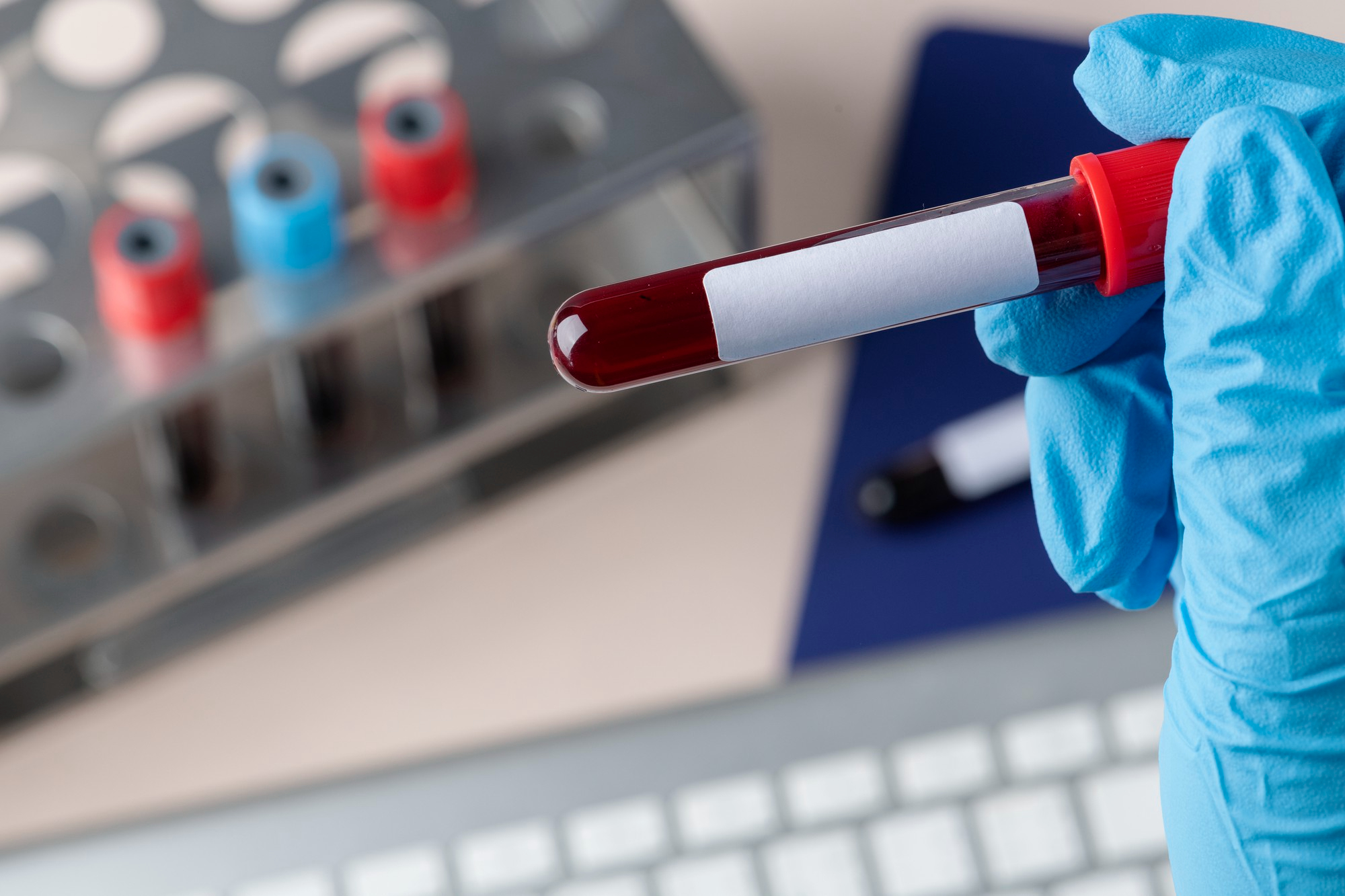
Point-of-Care (POC) Blood Diagnostics Market Overview
The global Point-of-Care (POC) Blood Diagnostics Market is projected to expand at a CAGR of around 6% over the next five years, driven by the growing need for rapid diagnostic solutions across healthcare settings. The increasing incidence of chronic diseases, rising burden of infectious disorders, expanding elderly population, and continuous technological innovations in portable diagnostic devices are creating strong growth opportunities for the market. Additionally, growing investments from both government agencies and private organizations in healthcare infrastructure and diagnostic technologies continue to strengthen market expansion.
Point-of-care blood diagnostics refers to medical testing performed at or near the patient’s location, allowing healthcare professionals to obtain immediate diagnostic results without depending on centralized laboratories. These systems significantly reduce turnaround time, enabling faster clinical decisions, timely treatment initiation, and improved patient outcomes. Their portability, ease of use, and ability to deliver accurate results have made them an essential component of modern healthcare delivery.
The increasing prevalence of lifestyle-related disorders, including diabetes, cardiovascular diseases, kidney disorders, and respiratory illnesses, has substantially increased the demand for rapid diagnostic testing. Healthcare providers are increasingly adopting POC blood diagnostic solutions to improve disease management, reduce hospitalization rates, and enhance operational efficiency. Rising awareness regarding preventive healthcare and routine health monitoring is also supporting widespread adoption of these diagnostic platforms.
Technological advancements have transformed point-of-care diagnostics from simple testing devices into sophisticated digital healthcare solutions capable of delivering laboratory-quality results within minutes. Modern systems incorporate automation, wireless connectivity, artificial intelligence, and cloud-based data management, allowing seamless integration with hospital information systems and electronic health records. These innovations continue to improve diagnostic accuracy while reducing manual errors.
Growing product launches across hematology, infectious disease testing, cardiac biomarker testing, coagulation monitoring, blood glucose monitoring, and other diagnostic applications are further strengthening market growth. Healthcare providers increasingly prefer advanced testing kits that offer convenience, reliability, and improved analytical performance in emergency departments, ambulatory care centers, clinics, and home healthcare settings.
Market Drivers
Growing Demand for Rapid and Accurate Diagnostics Accelerates Market Growth
The increasing requirement for immediate clinical decision-making is one of the primary factors driving the point-of-care blood diagnostics market. Conventional laboratory testing often involves transportation, processing delays, and extended reporting times. In contrast, POC blood diagnostics provide near-instant results, enabling physicians to initiate treatment without unnecessary delays.
The rising burden of chronic diseases such as diabetes, cardiovascular disorders, chronic kidney disease, and cancer has significantly increased the demand for decentralized diagnostic testing. Frequent monitoring of biomarkers has become essential for effective disease management, encouraging hospitals and clinics to invest in advanced point-of-care testing systems.
Healthcare providers are also adopting these solutions to improve workflow efficiency, minimize patient waiting times, reduce hospital admissions, and optimize resource utilization. The ability to perform diagnostic testing outside traditional laboratory settings has become increasingly valuable in emergency medicine, critical care, ambulatory services, and rural healthcare facilities.
Increasing Adoption of Multiplex Point-of-Care Platforms Supports Market Expansion
Multiplex point-of-care diagnostic platforms have emerged as a major advancement in blood diagnostics by enabling simultaneous detection of multiple biomarkers or pathogens from a single patient sample. This capability significantly improves diagnostic efficiency while reducing testing time and operational complexity.
Healthcare facilities managing infectious diseases, respiratory illnesses, and chronic conditions increasingly rely on multiplex platforms to improve diagnostic accuracy and accelerate treatment decisions. These systems reduce laboratory workload, minimize sample collection requirements, and improve patient comfort.
Multiplex testing also provides considerable economic advantages by lowering operational costs, improving laboratory productivity, and supporting better utilization of healthcare resources. The technology is particularly beneficial in community healthcare centers, rural clinics, and resource-limited environments where access to centralized laboratories remains limited.
Market Restraints
Variability in Test Accuracy and Result Consistency Restrains Market Growth
Although point-of-care blood diagnostic technologies continue to improve, maintaining consistent test performance across different devices remains a significant challenge. Variations in calibration, environmental conditions, operator expertise, and device maintenance can influence diagnostic accuracy and create inconsistencies in test results.
Healthcare professionals require highly reliable diagnostic information for clinical decision-making, making quality assurance a critical aspect of point-of-care testing. Differences in analytical performance between manufacturers may reduce user confidence and limit adoption in certain healthcare environments.
Additionally, implementing comprehensive quality control procedures often requires additional investments in training, equipment validation, and operational monitoring, increasing the overall cost of deployment for healthcare institutions.
Market Opportunities
Integration of IoT and Digital Healthcare Platforms Creates Significant Growth Potential
The growing integration of Internet of Things (IoT) technologies with point-of-care blood diagnostics is opening new opportunities across the healthcare sector. Connected diagnostic devices enable automatic transmission of patient data to electronic health record systems, cloud platforms, and physician dashboards, facilitating continuous patient monitoring and real-time clinical decision-making.
Digital connectivity improves communication between patients, physicians, laboratories, and healthcare providers while reducing manual documentation and administrative workload. Remote patient monitoring has become increasingly important for chronic disease management, allowing clinicians to monitor health conditions without requiring frequent hospital visits.
The adoption of telemedicine and home healthcare services is expected to further accelerate demand for connected diagnostic devices capable of supporting decentralized healthcare delivery.
Market Challenges
Complex Regulatory Requirements Across Different Regions Challenge Market Growth
Regulatory compliance remains one of the most significant challenges facing manufacturers of point-of-care blood diagnostic devices. Different countries maintain unique approval procedures, documentation requirements, quality standards, and product validation protocols, making global commercialization increasingly complex.
Manufacturers must comply with the regulatory expectations of agencies such as the U.S. Food and Drug Administration (FDA), European regulatory authorities, and other regional healthcare organizations before introducing new products into the market. These varying requirements often increase product development timelines, regulatory costs, and commercialization risks.
Frequent regulatory updates following public health emergencies also require continuous monitoring and adaptation. Small and emerging companies often face greater challenges due to limited financial and regulatory resources, restricting their ability to expand internationally and compete with established market leaders.
Developing standardized quality management systems, strengthening regulatory expertise, and maintaining compliance with evolving international standards will remain essential for long-term market success.
Market Trends
CRISPR-Based Point-of-Care Diagnostics Represent a Major Technological Advancement
CRISPR-based diagnostic technologies are rapidly emerging as one of the most promising innovations within the point-of-care blood diagnostics market. These advanced molecular diagnostic platforms provide highly sensitive and specific detection of pathogens and genetic biomarkers while requiring minimal sample preparation.
Compared to conventional nucleic acid amplification methods, CRISPR-based diagnostics offer faster turnaround times, simplified workflows, and improved analytical performance. Their portability and ease of operation make them highly suitable for emergency departments, community healthcare centers, mobile clinics, and remote healthcare settings.
Growing collaborations between biotechnology companies, research institutions, and healthcare organizations are accelerating product development and commercialization of CRISPR-enabled diagnostic solutions. Continued investments in molecular diagnostics are expected to expand their clinical applications across infectious disease detection, oncology, and personalized medicine.
Another notable market trend is the incorporation of artificial intelligence and machine learning into point-of-care diagnostic platforms. These technologies improve result interpretation, automate quality assessment, and enhance predictive analytics, supporting more accurate clinical decision-making while reducing diagnostic errors.
Key Request a free sample copy or view report summary: https://meditechinsights.com/point-of-care-poc-blood-diagnostics-market/request-sample/
Competitive Landscape
The global point-of-care blood diagnostics market is moderately consolidated, with several multinational healthcare companies holding significant market shares. Leading manufacturers continue to invest heavily in research and development, product innovation, strategic partnerships, acquisitions, and geographic expansion to strengthen their competitive position.
Companies are continuously introducing compact, user-friendly, and digitally connected diagnostic platforms that offer faster testing, improved accuracy, and seamless integration with healthcare information systems. Increasing product approvals, technological advancements, and expansion into emerging healthcare markets remain key competitive strategies adopted by industry participants.
New entrants are also entering the market with innovative diagnostic technologies designed to address unmet clinical needs. These companies focus on developing portable, affordable, and high-performance blood diagnostic devices to establish their presence in both developed and emerging healthcare markets.
Growing investments in precision diagnostics, personalized medicine, digital health technologies, and decentralized healthcare delivery are expected to intensify competition while encouraging continuous innovation throughout the forecast period.
Key Players
- F. Hoffmann-La Roche Ltd.
- Abbott
- Thermo Fisher Scientific Inc.
- BD (Becton, Dickinson and Company)
- Danaher Corporation
- Radiometer Medical ApS
- WerfenLife S.A.
- Abbott Laboratories
- Nova Biomedical Corporation
- Siemens Healthineers AG
- bioMérieux SA
- QuidelOrtho Corporation
- EKF Diagnostics Holdings plc
- ACON Laboratories Inc.
- Trinity Biotech plc
Order Now: https://meditechinsights.com/point-of-care-poc-blood-diagnostics-market/request-sample/
About Medi-Tech Insights
Medi-Tech Insights is a healthcare-focused business research & insights firm. Our clients include Fortune 500 companies, blue-chip investors & hyper-growth start-ups. We have completed 100+ projects in Digital Health, Healthcare IT, Medical Technology, Medical Devices & Pharma Services in the areas of market assessments, due diligence, competitive intelligence, market sizing and forecasting, pricing analysis & go-to-market strategy. Our methodology includes rigorous secondary research combined with deep-dive interviews with industry-leading CXO, VPs, and key demand/supply side decision-makers.